Smartphone-based supportive counseling to reduce pregnancy-specific stress in pregnant adolescents

Downloads
Background: Adolescence is a psychologically vulnerable period, and pregnancy during this stage increases the risk of stress, particularly when pregnancies are unintended or accompanied by social stigma. Although psychosocial support is essential, evidence on supportive counseling specifically for pregnant adolescents is limited, and most interventions rely on traditional face-to-face methods. To address this gap, this study developed a smartphone-based supportive counseling model to strengthen maternal mental health among Indonesian adolescents.
Purpose: To examine the effect of smartphone-based supportive counseling on pregnancy-specific stress among pregnant adolescents.
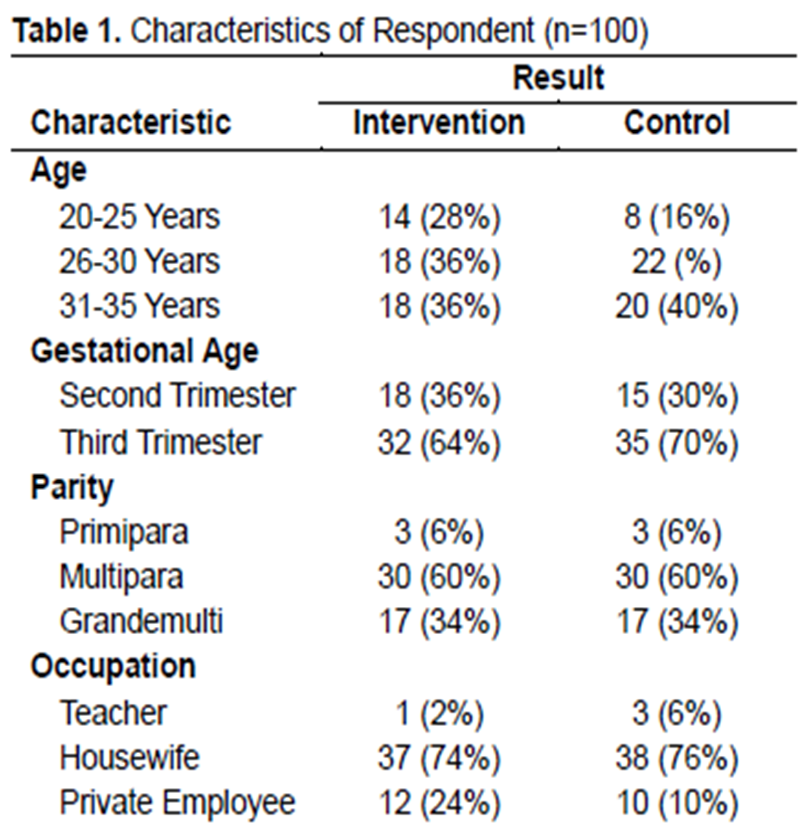
Methods: A quasi-experimental pre- and post-test non-equivalent control group design was used involving 60 pregnant adolescents. Participants were assigned to an intervention group (n = 30) or a control group (n = 30) using purposive sampling. The intervention group received smartphone-based supportive counseling sessions (60–120 minutes) over three weeks, while the control group received routine antenatal care. Pregnancy-specific stress was measured before and after the intervention. Data were analyzed using paired t-tests and independent t-tests.
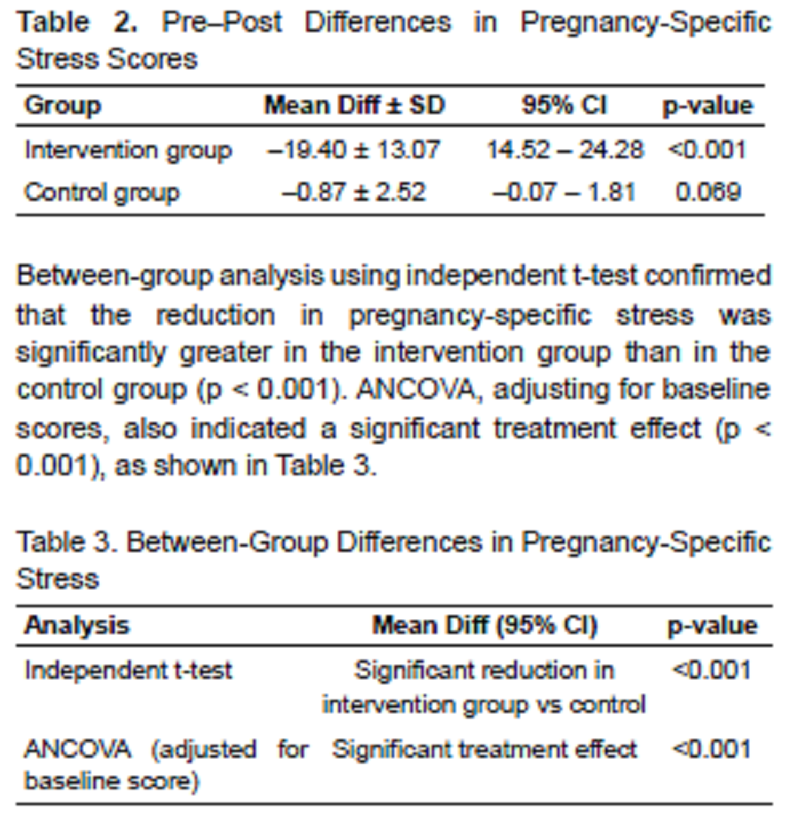
Results: The intervention group showed a significant reduction in pregnancy-specific stress after supportive counseling (p < 0.001), whereas the control group showed no significant change (p = 0.069).
Conclusion: Smartphone-based supportive counseling is effective in reducing pregnancy-specific stress among pregnant adolescents and may serve as an accessible psychosocial support model in resource-limited settings.

This work is licensed under a Creative Commons Attribution-NonCommercial 4.0 International License.
Authors who publish with this journal agree to the following terms:Authors retain copyright and grant the journal right of first publication with the work simultaneously licensed under a Creative Commons Attribution-NonCommercial 4.0 International License that allows others to share the work with an acknowledgement of the work's authorship and initial publication in this journal.
Authors are able to enter into separate, additional contractual arrangements for the non-exclusive distribution of the journal's published version of the work (e.g., post it to an institutional repository or publish it in a book), with an acknowledgement of its initial publication in this journal.
Authors are permitted and encouraged to post their work online (e.g., in institutional repositories or on their website) prior to and during the submission process, as it can lead to productive exchanges, as well as earlier and greater citation of published work (See The Effect of Open Access).
This work is licensed under a Creative Commons Attribution-NonCommercial 4.0 International License.