Holistic needs fulfillment and quality of life in critically ill patients in the intensive care unit: a quasi-experimental study

Downloads
Background: Critically ill patients in intensive care units (ICUs) experience complex physical, psychological, social, and spiritual challenges that can substantially reduce their quality of life (QoL). Evidence indicates that 50–70% of Indonesian ICU patients develop post-intensive care syndrome (PICS), and up to 60% of ICU survivors report reduced QoL. However, empirical evidence on the effectiveness of holistic nursing care in improving QoL among critically ill patients remains limited.
Purpose: This study aimed to examine the association between holistic needs fulfillment and quality of life among critically ill patients in the ICU.
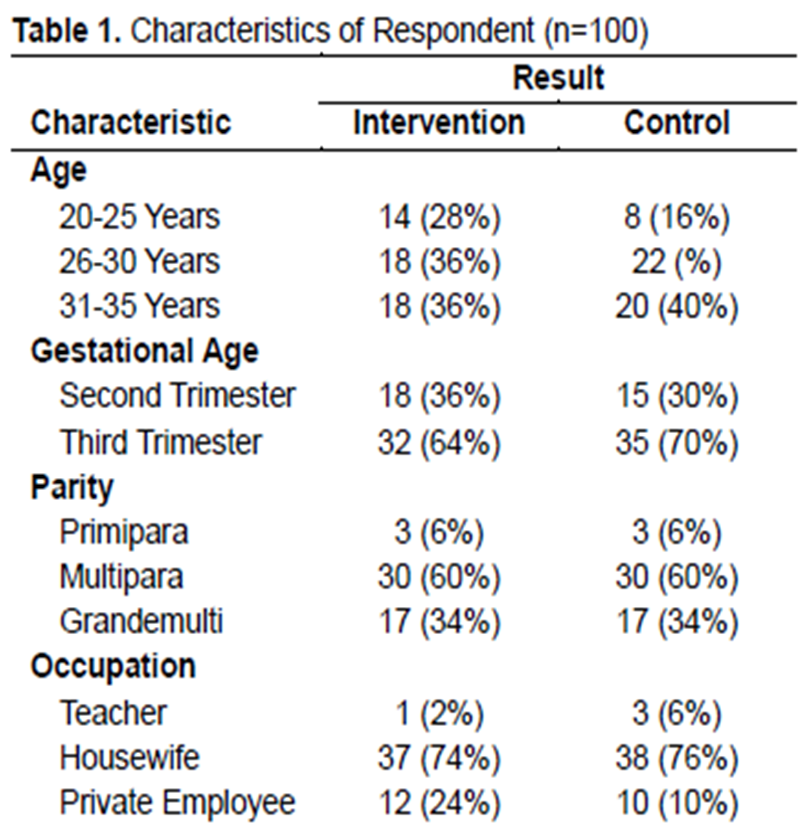
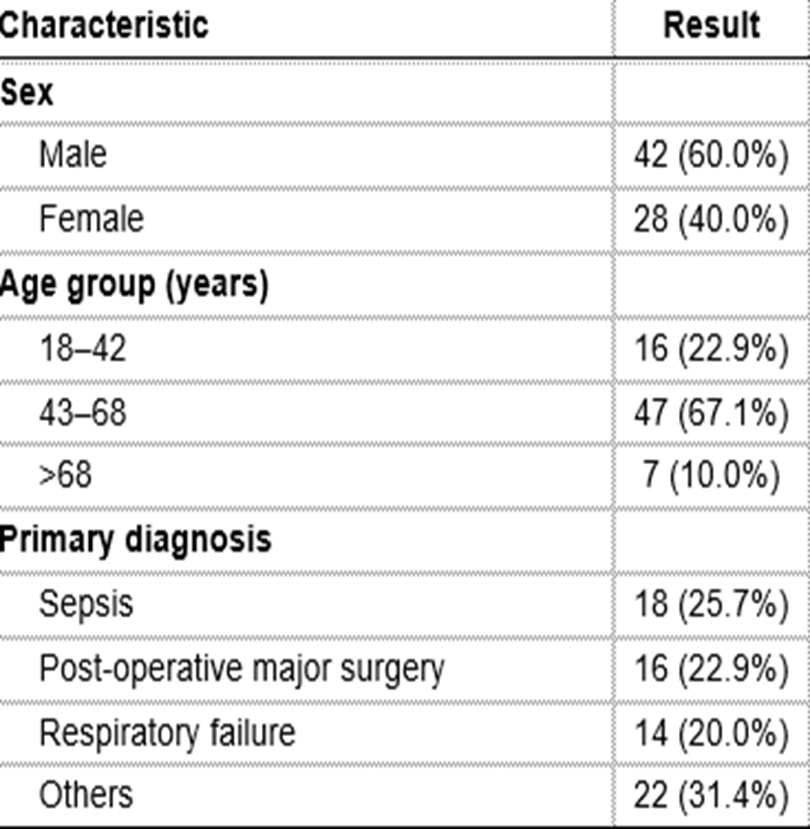
Methods: A quantitative quasi-experimental study with an intervention and control group design was conducted in the ICU of Sentra Medika Hospital, Cikarang, Indonesia, from June to July 2025. A total of 70 critically ill patients were recruited using consecutive sampling and allocated to an intervention group (n = 35) and a control group (n = 35). Holistic needs fulfillment was assessed using a validated holistic needs observation sheet, and quality of life was measured using the World Health Organization Quality of Life–BREF (WHOQOL-BREF). Data were analyzed using independent samples t-tests.
Results: Patients who received holistic nursing care demonstrated significantly higher post-intervention quality of life compared with those receiving routine ICU care (p < 0.001).
Conclusion: Fulfillment of holistic needs was associated with better quality of life outcomes among critically ill patients. These findings support the integration of structured holistic nursing care into ICU practice to enhance patient-centered care and overall well-being during critical illness.

This work is licensed under a Creative Commons Attribution-NonCommercial 4.0 International License.
Authors who publish with this journal agree to the following terms:Authors retain copyright and grant the journal right of first publication with the work simultaneously licensed under a Creative Commons Attribution-NonCommercial 4.0 International License that allows others to share the work with an acknowledgement of the work's authorship and initial publication in this journal.
Authors are able to enter into separate, additional contractual arrangements for the non-exclusive distribution of the journal's published version of the work (e.g., post it to an institutional repository or publish it in a book), with an acknowledgement of its initial publication in this journal.
Authors are permitted and encouraged to post their work online (e.g., in institutional repositories or on their website) prior to and during the submission process, as it can lead to productive exchanges, as well as earlier and greater citation of published work (See The Effect of Open Access).
This work is licensed under a Creative Commons Attribution-NonCommercial 4.0 International License.