Designing a stakeholder-informed digital learning model integrating virtual reality and e-learning for complementary therapy-based postpartum preeclampsia education

Downloads
Background: Postpartum preeclampsia remains a significant contributor to maternal morbidity and mortality in Indonesia. Midwives, as frontline maternal health providers, are expected to deliver holistic care; however, structured learning models integrating complementary therapies within digital education platforms remain limited. Although virtual reality (VR) and e-learning have been widely applied in healthcare education, their context-sensitive integration into postpartum preeclampsia management training has not been sufficiently explored.
Objective: This study aimed to explore stakeholder perspectives and to design a stakeholder-informed conceptual digital learning model integrating complementary therapies into VR- and e-learning-based midwifery education.
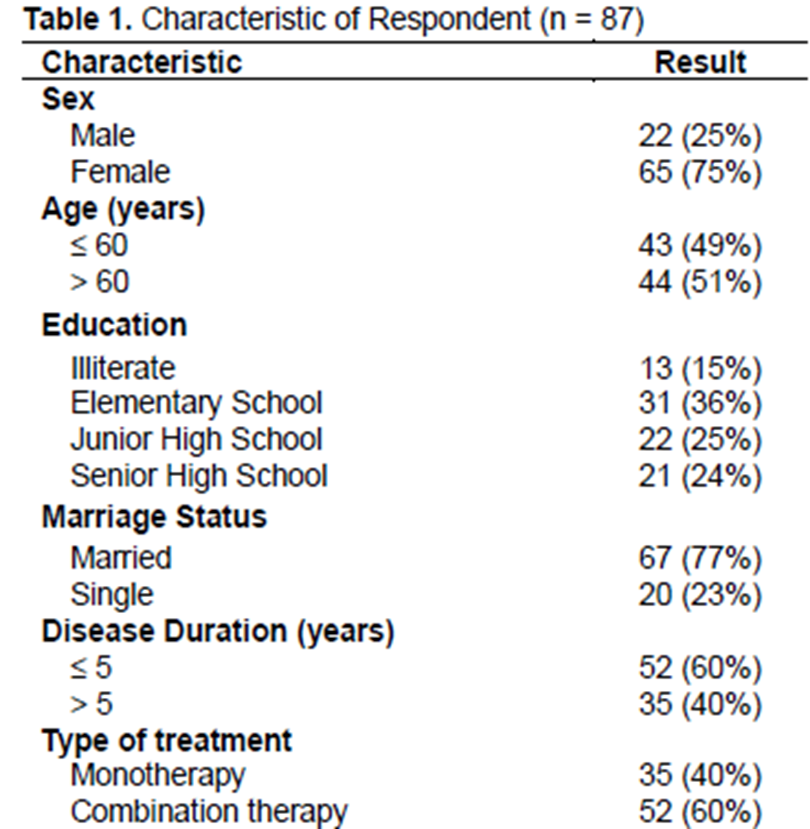
Methods: This qualitative exploratory study involved 31 participants, including practicing midwives, educational practitioners, policymakers, and clinical and technology experts in Banyumas Regency, Indonesia. Data were collected through focus group discussions and semi-structured in-depth interviews and analyzed using thematic analysis to identify stakeholder perspectives, contextual challenges, and design requirements informing the development of a conceptual digital learning model.
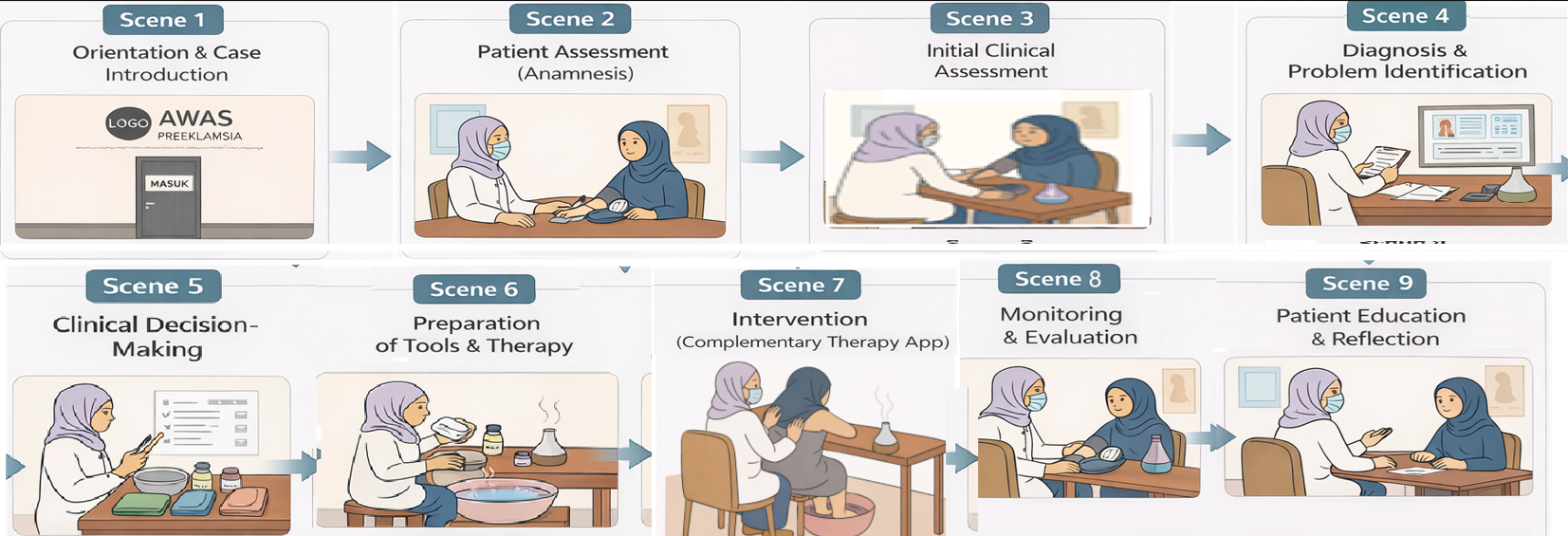
Results: Four interconnected themes were identified: 1) fragmented integration of complementary care; 2) the need for experiential and clinically contextualized learning; 3) digital readiness and structural constraints; and 4) the importance of institutional support and policy alignment. These findings informed the development of a stakeholder-informed conceptual framework consisting of structured curriculum modules, a nine-scene VR storyboard simulating clinical decision-making, and a mobile-accessible Learning Management System integrating complementary therapies such as lavender aromatherapy, warm foot bath, and slow-stroke back massage.
Conclusion: This study provides a contextually grounded digital learning framework for integrating VR, e-learning, and complementary therapies in postpartum preeclampsia education. The proposed model offers a foundation for future pilot implementation and effectiveness studies to evaluate its impact on midwifery competencies and clinical practice.

This work is licensed under a Creative Commons Attribution-NonCommercial 4.0 International License.
Authors who publish with this journal agree to the following terms:Authors retain copyright and grant the journal right of first publication with the work simultaneously licensed under a Creative Commons Attribution-NonCommercial 4.0 International License that allows others to share the work with an acknowledgement of the work's authorship and initial publication in this journal.
Authors are able to enter into separate, additional contractual arrangements for the non-exclusive distribution of the journal's published version of the work (e.g., post it to an institutional repository or publish it in a book), with an acknowledgement of its initial publication in this journal.
Authors are permitted and encouraged to post their work online (e.g., in institutional repositories or on their website) prior to and during the submission process, as it can lead to productive exchanges, as well as earlier and greater citation of published work (See The Effect of Open Access).
This work is licensed under a Creative Commons Attribution-NonCommercial 4.0 International License.