Beef nuggets are more effective than fish nuggets in promoting weight gain in stunted toddlers: a quasi-experimental study

Downloads
Background: Stunting is a condition where children experience growth failure. Protein from animal sources, such as beef and fish, contains essential amino acids beneficial for stunted toddlers. However, a comparison of the effectiveness of beef nuggets and Fish nuggets on growth has never been conducted.
Objective: The aim of this study is to compare weight gain in stunted toddlers given beef nuggets and fish nuggets.
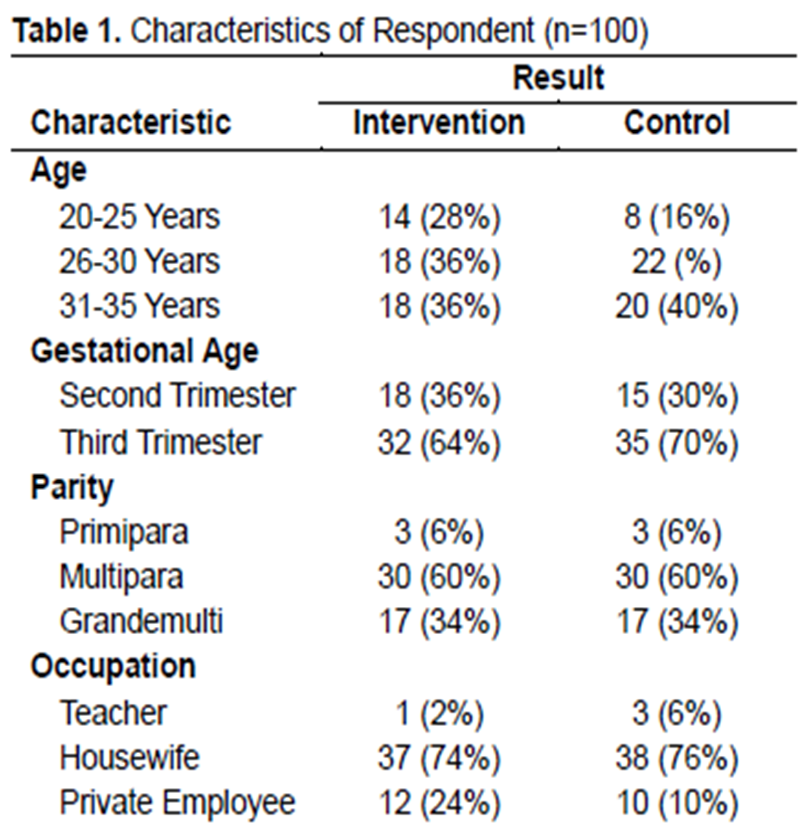
Methods: A quasi-experimental pretest-posttest design with a comparison group was used. One hundred two stunted toddlers were enrolled, 51 of whom were given beef nuggets and 51 Fish nuggets. Supplementation was given daily for 30 days. Body weight was measured before and after the intervention. Data were analyzed using a paired t-test for changes within groups and an independent t-test for comparisons between groups.
Results: Both groups showed significant weight gain after 30 days (p = 0.001). The average weight gain was 594.12 g in the beef nugget group and 441.18 g in the Fish nugget group. Intergroup analysis showed that beef nuggets were significantly more effective than fish nuggets in increasing weight gain (p = 0.012).
Conclusion: Beef nuggets were more effective than Fish nuggets in increasing weight gain in stunted toddlers.
- Hermawan, Dessy, et al. "Relationships of deworming drug consumption and animal protein intake with stunting." Parasite Epidemiology and Control 23 (2023): e00326
- Kemenkes, R. I. "Buku Saku Hasil Survei Status Gizi Indonesia (SSGI) 2022." Badan Kebijakan Pembangunan Kesehatan Kementerian Kesehatan RI (2022).
- Prendergast, Andrew J., and Jean H. Humphrey. "The stunting syndrome in developing countries." Paediatrics and international child health 34.4 (2014): 250-265.
- Christian, Parul, et al. "Risk of childhood undernutrition related to small-for-gestational age and preterm birth in low-and middle-income countries." International journal of epidemiology 42.5 (2013): 1340-1355.
- Arsenault, Joanne E., and Kenneth H. Brown. "Effects of protein or amino-acid supplementation on the physical growth of young children in low-income countries." Nutrition reviews 75.9 (2017): 699-717.
- Prentice, Ann, et al. "Symposium on ‘Nutrition and health in children and adolescents’ Session 1: Nutrition in growth and development Nutrition and bone growth and development: A meeting of the Nutrition Society hosted by the Irish Section was held on 14–16 June 2006 at University College Cork, Cork, Republic of Ireland." Proceedings of the Nutrition Society 65.4 (2006): 348-360.
- Yayha, Z. A. H., and D. Joe Millward. "Dietary protein and the regulation of long-bone and muscle growth in the rat." Clinical Science 87.2 (1994): 213-224.
- Who, Joint. "Protein and amino acid requirements in human nutrition." World Health Organization technical report series 935 (2007): 1.
- Consultation, F. E. "Dietary protein quality evaluation in human nutrition." FAO Food Nutr. Pap 92 (2011): 1-66.
- Suri, Devika J., Kwaku Tano-Debrah, and Shibani A. Ghosh. "Optimization of the nutrient content and protein quality of cereal—legume blends for use as complementary foods in Ghana." Food and Nutrition Bulletin 35.3 (2014): 372-381.
- Eliana, Eliana, et al. "Pengaruh Pemberian Pangan Setengah Jadi Berbasis Ikan (Sosis Analog) Dengan Kecukupan Protein Balita Dalam Upaya Penurunan Stunting Di Kabupaten Seluma." GIZI INDONESIA Journal of The Indonesian Nutrition Association 45.2 (2022): 173-182.
- Darawati, Made, et al. "Formulasi food bar berbasis pangan lokal tinggi asam amino esensial untuk anak balita stunting." AcTion: Aceh Nutrition Journal 6.2 (2021): 163-172.
- Chipili, Given, et al. "The efficacy of fish as an early complementary food on the linear growth of infants aged 6–7 months: a randomised controlled trial." Nutrients 14.11 (2022): 2191.
- Salman, Yuliana, Ermina Syainah, and Rezkiah Rezkiah. "Analisis Kandungan Protein, Zat Besi dan Daya Terima Bakso Ikan Gabus dan Daging Sapi." Jurnal Kedokteran dan Kesehatan 14.1 (2018): 63-73.
- Abraham, Irfan, and Yetti Supriyati. "Desain kuasi eksperimen dalam pendidikan: Literatur review." Jurnal Ilmiah Mandala Education 8.3 (2022).
- Hasanah, Laeli Nur, and Rosmauli Jerimia Fitriani. "Daya Terima dan Kandungan Gizi Naget Lele (Clarias gariepinus) dengan Substitusi Modified Cassava Flour (Mocaf) Sebagai Alternatif Kudapan Tinggi Protein Untuk Balita." TRIK: Tunas-Tunas Riset Kesehatan 10 (2020): 80-85.
- Bpom, R. I. "Peraturan kepala badan pengawas obat dan makanan republik indonesia nomor 9 tahun 2016 tentang acuan label gizi." Badan Pengawasan Obat dan Makanan Republik Indonesia (2016): 1-28
- Uauy, Ricardo, et al. "Role of protein and amino acids in infant and young child nutrition: protein and amino acid needs and relationship with child growth." Journal of nutritional science and vitaminology 61.Supplement (2015): S192-S194.
- Inzaghi, Elena, et al. "The effects of nutrition on linear growth." Nutrients 14.9 (2022): 1752.
- Bonjour, Jean-Philippe. "The dietary protein, IGF-I, skeletal health axis." Hormone molecular biology and clinical investigation 28.1 (2016): 39-53.
Copyright (c) 2025 MEDISAINS

This work is licensed under a Creative Commons Attribution-NonCommercial 4.0 International License.
Authors who publish with this journal agree to the following terms:Authors retain copyright and grant the journal right of first publication with the work simultaneously licensed under a Creative Commons Attribution-NonCommercial 4.0 International License that allows others to share the work with an acknowledgement of the work's authorship and initial publication in this journal.
Authors are able to enter into separate, additional contractual arrangements for the non-exclusive distribution of the journal's published version of the work (e.g., post it to an institutional repository or publish it in a book), with an acknowledgement of its initial publication in this journal.
Authors are permitted and encouraged to post their work online (e.g., in institutional repositories or on their website) prior to and during the submission process, as it can lead to productive exchanges, as well as earlier and greater citation of published work (See The Effect of Open Access).
This work is licensed under a Creative Commons Attribution-NonCommercial 4.0 International License.