Rupture of the internal jugular vein and tension pneumothorax in a penetrating neck-lung injury due to iron splinters: a case report


Downloads
Additional Files
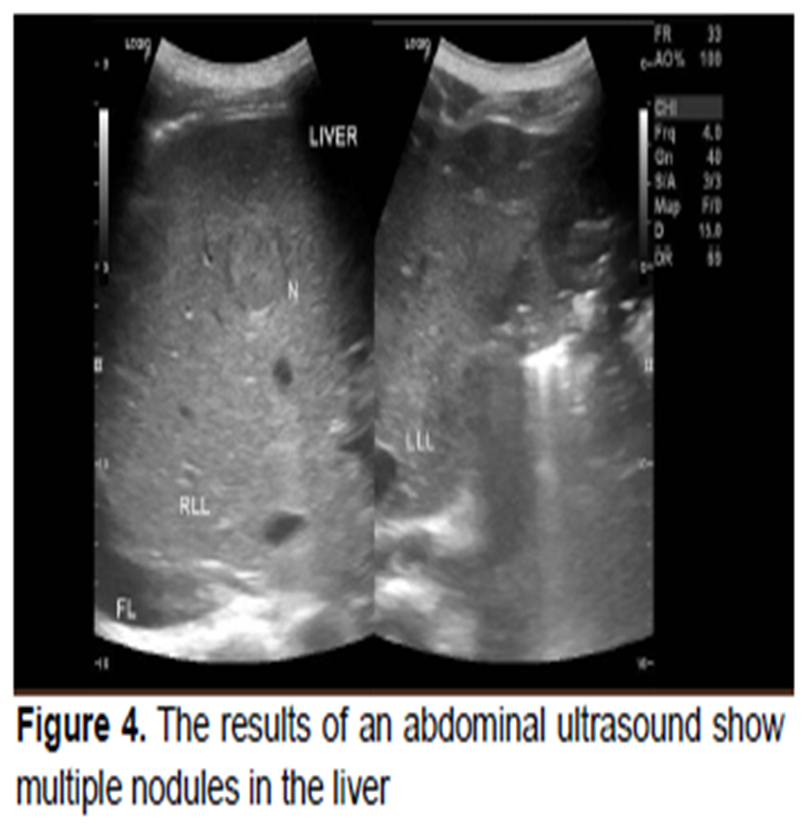
Background: Penetrating neck injuries are relatively rare but pose significant challenges due to the concentration of vital structures in this area. This case report presents a unique in-stance of a 20-year-old male with a penetrating neck injury caused by iron splinters, resulting in the rupture of the internal jugular vein and tension pneumothorax.
Case Presentation: The patient, a 20-year-old male, presented with restlessness, chest pain, rapid breathing, and a penetrating wound on the left side of the neck. Initial management included needle decompression for tension pneumothorax and radiological assessments to localize the foreign body. C-arm revealed that the foreign body had penetrated the upper left thoracic region and lung parenchyma. The surgical intervention involved repairing the internal jugular vein and performing pulmonary resection to remove the iron splinters.
Conclusions: This case highlights the importance of a multidisciplinary approach in managing complex penetrating neck injuries. Advanced imaging techniques and timely surgical interventions are crucial for optimizing patient outcomes. Future research should focus on refining diagnostic protocols and exploring minimally invasive surgical techniques to improve the management of such injuries.
Authors retain copyright and grant the journal right of first publication with the work simultaneously licensed under a Creative Commons Attribution-NonCommercial 4.0 International License that allows others to share the work with an acknowledgement of the work's authorship and initial publication in this journal.
Authors are able to enter into separate, additional contractual arrangements for the non-exclusive distribution of the journal's published version of the work (e.g., post it to an institutional repository or publish it in a book), with an acknowledgement of its initial publication in this journal.
Authors are permitted and encouraged to post their work online (e.g., in institutional repositories or on their website) prior to and during the submission process, as it can lead to productive exchanges, as well as earlier and greater citation of published work (See The Effect of Open Access).

This work is licensed under a Creative Commons Attribution-NonCommercial 4.0 International License.